
READINGS FOR THE 24TH SUNDAY IN ORDINARY TIME, YEAR C, SUNDAY, 11TH SEPTEMBER, 2022
First Reading: Exodus 32:7-11, 13-14
Psalm: 50
Second Reading: 1 Timothy 1:12-17
Gospel: Luke 15:1-32
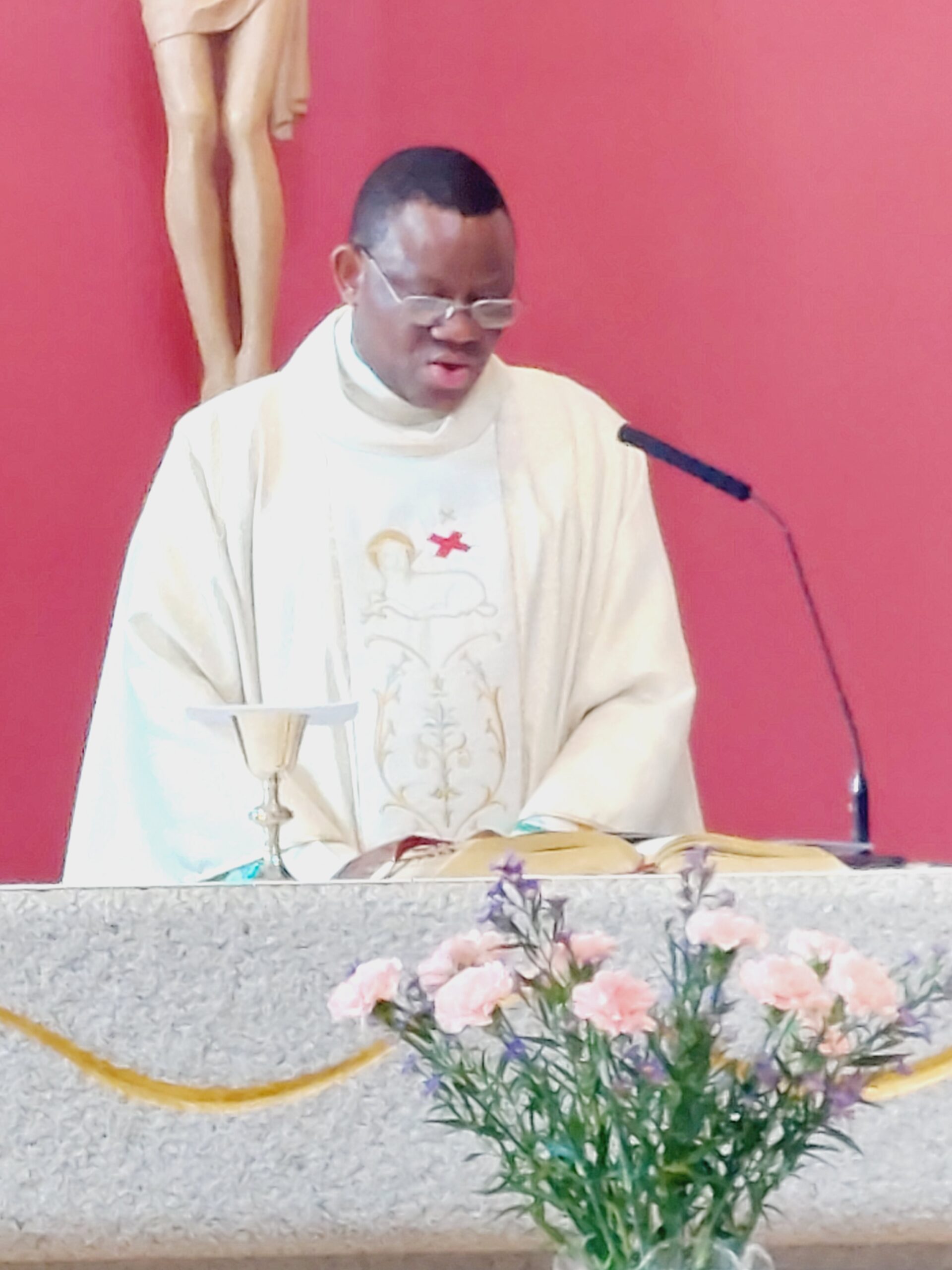
REFLECTION BY FR CORNELIUS NWAOGWUGWU, CM
DOES GOD ALLOW U-TURNS?
Dear brothers and sisters in Christ,
We all have our struggles with realities in life. In our society, we experience our human weaknesses. We all can make mistakes. We have to struggle with irrationalities and prejudices among our families and friends. We are all sinners in need of the mercy of God, our Eternal Father.
In respect of this, I ask a very important question that will guide my reflection today. Does God allow U-turns? This is an interesting question. It calls for a deeper reflection. To explore this question, I will draw inspiration from the Gospel of Luke, chapter 15 and insight from my Pastoral Ministry experiences.
In the context of today’s reflection, U-turn refers to a complete change of heart, mind, ideas or plans towards anything that is good. It also refers to a turn-around or a turn-about to live genuinely with God, through God and for God. Indeed, we can take U-turns. God delights with our U-turns.
In today’s Gospel, we read that the Tax collectors and the sinners were seeking the company of Jesus to learn from him. The Pharisees and the Scribes complained bitterly. They said that this man welcomes sinners and eats with them. It is against this background that Jesus narrated the parable of the prodigal son. (Luke 15: 11-32)
This parable is soul changing, insightful, revealing, edifying and inspirational. It shows the truth about the realities of the Kingdom of God which is love, mercy, justice, forgiveness, peace and joy. This parable touches the heart and calls for repentance. This is indeed the unconditional love of God in practice.
Judging from this then, I cannot but accept that the parable of the prodigal son and his loving father shows that God allows U-turns in our lives. As Christians, we are to follow the example of the father of the prodigal son who like God lavished his love to the son who went astray.
We are urged not to write off anyone who goes astray or wrongs us. We are encouraged to give everyone who wrongs us another chance to make a U-turn for his/her own good and the good of others.
My Pastoral Ministry experiences have helped me to learn and appreciate the truth of the saying that “time heals memories.”
The healing power of memories finds deeper expression in unconditional forgiveness. When we forgive unconditionally and forget, we make the choice that heals. Unconditional forgiveness changes us from being “prisoners of our past” to being liberated and being at peace with our existential realities. When we withhold forgiveness injudiciously, we remain the victim. Unconditional forgiveness, mercy and reconciliation bring us peace within our memories and in our relationships with each another. Unconditional forgiveness allows us to move beyond the pain, resentment and anger of self-condemnations to true freedom in Jesus Christ.
In the light of eternity and considering the shortness of our span of life, harbouring grudges is pointless and not good for our wellbeing and mental health. The forgiveness that we offer others is the indispensable condition which opens our hearts to love and mercy. Forgiving others makes it possible for us to receive God’s forgiveness and mercy. God offers us grace to accomplish limitless forgiveness and a willingness to overlook faults. God expects us to keep on loving even in the face of insults.
We may never forget the hurt we have experienced, but we can, with God’s ongoing grace, choose to forgive and pray for our offenders. As life goes on and we remember an incident that was hurtful and roused great anger in us, we need to remind ourselves that with God’s grace, we have already forgiven the one that hurt us. We can forgive the offender by wishing him/her God’s blessings. We are to offer that individual to God for a change of attitude and to be of good character.
The Psalmist sings, “The Lord is compassion and love, slow to anger and rich in mercy.” (Psalm 102). Hence, we need to forgive and forget and be reconciled with God and each other. When we do this, we will be able to pray meaningfully, Lord “forgive us our trespasses as we forgive those who trespass against us and lead us not into temptation, but deliver us from evil.”
As Christians, we are to forgive each other unconditionally and promptly. Like the Psalmist in today’s reading, we should say: “Have mercy on us, God, in your kindness. In your compassion blot out our offence, O wash us more and more from our guilt and cleanse us from our sins. We pray like the Psalmist, a pure heart create for us, O God, put a steadfast spirit within us. Do not cast us away from your presence, nor deprive us of your Holy Spirit.” (Psalm 50).
Lord of infinite mercy, we pray that you give us again the joy of your help; with a spirit of fervour sustain us that we may teach transgressors your ways and sinners may return to you now and for ever. Amen.
Fr. Cornelius Nwaogwugwu, CM